Beauty Belongs to Everyone
Beauty is Medicine
Not only the people with beautiful homes and disposable income. Not only the people who live in neighborhoods with gardens, public art, and trees old enough to make shade. Not only the people who can afford to travel, collect beautiful things, attend concerts, or arrange their lives around leisure.
Everyone.
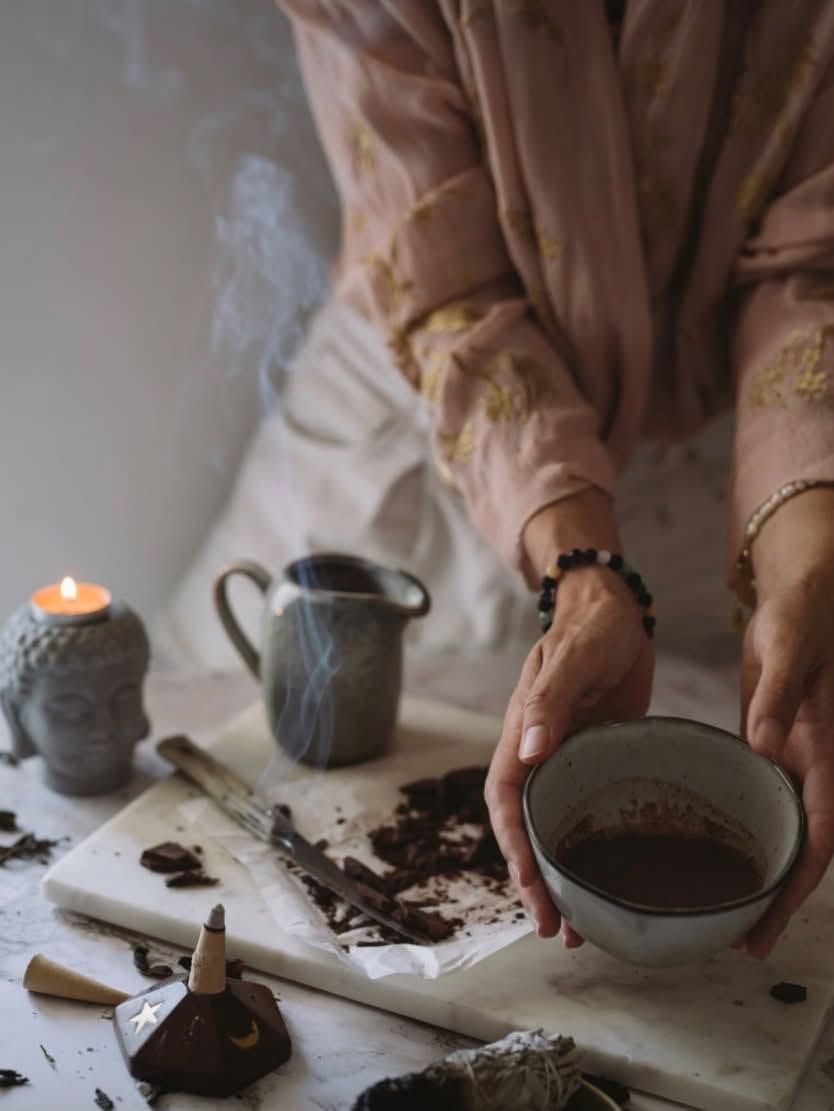
Flowers on a table, music drifting through an open window, a garden planted in a neglected neighborhood, a gathering where people are fed and welcomed with tenderness. These things can seem almost frivolous when the world is hurting.
There is war. There is poverty. There are people who cannot afford medical care and families deciding which bill gets paid. There are governments becoming more cruel, communities being displaced, and people living under constant threat. Beauty can feel like a very small concern beside all of that.
But human beings need more than survival. We need dignity, belonging, pleasure, wonder, and moments when the world feels generous enough to love.
I think we should be suspicious of any system that tells ordinary people beauty is an indulgence they have not earned.
For centuries, beauty has been one of the ways power announced itself. The wealthy built cathedrals and palaces, cultivated enormous gardens, collected paintings, commissioned music, and surrounded themselves with objects designed to remind everyone who mattered. Ordinary people were expected to concern themselves with practical things: work, survival, responsibility, making do.
That division has not disappeared.
We still build beautiful parks and plant mature trees in wealthy neighborhoods while allowing poorer communities to live without shade, safe sidewalks, gathering places, or decent public spaces. We call art, music, access to nature, and leisure amenities instead of recognizing them as part of a fully human life.
Even rest has become something we are expected to earn.
Women have received their own particularly vicious version of this arrangement. We have been taught that sacrifice is noble and desire is suspicious, that a woman who gives everything away is admirable while a woman who wants something for herself should be prepared to explain why.
Why do you need that? Why spend money on that? Why take the time? Why go alone? Why does it matter?
Sometimes the answer is simply because it is beautiful, because it brings me pleasure, because I am alive.
That is enough.
People have always found ways to make beauty, even under conditions specifically designed to deny them dignity. People have made music while enslaved, embroidered cloth during war, planted flowers beside temporary shelters, painted murals in neighborhoods their governments abandoned, built altars in prison cells, and cooked recipes carried across borders and oceans.
They have sung together while fighting for freedom and made astonishing things from scraps. Not because beauty erased suffering, but because suffering did not erase their humanity.
There is a reason authoritarian systems so often try to control art, books, music, religious practice, public gathering, clothing, culture, sexuality, and imagination. People who can imagine other ways of living are harder to convince that the present arrangement is inevitable.
Beauty reminds us that another world is possible.
That does not mean beauty replaces material action. A candlelit ritual will not feed a hungry family. Prayer is not healthcare. A beautiful gathering cannot compensate for unsafe housing, and flowers will not dismantle an unjust institution.
We should reject any spirituality that asks suffering people to substitute lovely sentiments for practical help.
But we should reject something else too: the idea that justice requires us to surrender everything that makes life worth living.
At Threshold, I believe these things belong together. A free clinic and a candlelit gathering can come from the same spiritual conviction. Feeding someone and making the table beautiful can be part of the same act of care. We can show up for a neighbor, speak clearly about injustice, and still notice the moon.
One kind of care does not cancel the other. Both begin with the belief that human lives are valuable, and valuable lives deserve more than mere survival.
Women working for liberation are entitled to enjoy the liberation they are working toward.
We are entitled to laugh, celebrate, eat beautiful food, make music, wear ridiculous earrings, sit in gardens, dance badly, and spend afternoons doing things that are absolutely useless except that they delight us. We are entitled to pleasures that do not make us more productive, more virtuous, more useful, or more impressive.
The world does not become more just because the people trying to change it are miserable.
There is something worth resisting in the expectation that cruelty should determine the entire emotional atmosphere of our lives. We can know what is happening and still celebrate a birthday. We can grieve and still make dinner beautiful. We can confront injustice and spend an afternoon planting flowers.
Joy does not make us unserious. Beauty does not make us shallow. Pleasure does not make us less committed. In many cases, these are the things that make commitment sustainable.
The movements that changed the world were never built entirely from suffering. They contained songs, shared meals, friendships, love affairs, stories, dancing, art, inside jokes, and people sitting together late at night imagining a world that did not exist yet.
Human beings need reasons to keep going, and those reasons cannot consist entirely of obligations.
So plant the garden. Set the beautiful table. Bring flowers to someone who has had a terrible week. Invite people over for soup. Make music. Learn the songs your grandmother knew. Support the artists in your community.
Notice which neighborhoods have been denied beauty and ask why. Fight for parks, libraries, public art, cultural spaces, and places where people can gather without being expected to spend money to belong.
Make beauty something you share rather than something you accumulate.
And refuse the lie that ordinary people should be grateful merely to survive.
I want a world where people have enough food, safe homes, healthcare, freedom, and protection from violence. And I want more for us than that.
I want gardens and public art and music in the streets. I want community tables with enough chairs and sacred spaces where nobody has to prove they belong. I want children to grow up knowing that the world contains things worth exploring, loving, and protecting.
I want women to have enough freedom and enough time to discover what delights them. I want the people who have been told to expect very little from life to experience astonishing abundance, dignity, beauty, and joy.
The world we are trying to create should be beautiful to live in.
Beauty belongs to everyone.
Our work is to help make that true.